Epic Water Filters Quick DripsStories for a life well watered. Explore our filters
A woman in a blue fleece holding a glass of drinking water at an open cabin doorway, with evergreen trees outside.

At home / Water testing

Can you trustyour homewater test?

A useful result depends on the test method and how the water is collected. How to choose a lab, handle the sample, and understand what comes back.

Read the story

A glass of water at the cabin door.

Words by Epic Water Filters

7 minute read

A water test starts with a question. You might be concerned about lead in your home’s plumbing, a change in your well water, or something you noticed in your utility’s report. Naming that concern helps you choose a test that can answer it.

“Home water test” covers very different products. A color strip provides an indication for the parameters it measures. A sample sent to a laboratory can provide more detailed findings, provided the lab is certified for those drinking-water tests and the collection and handling fit the method.12

Collecting a sample yourself is an accepted part of many testing programs. What matters is following the procedure for the question you are trying to answer. Running the tap before a first-draw lead sample, rinsing a prepared bottle, or missing a delivery deadline can change what the result tells you.13

What the test can measure

Start with the concern, then check that the test is designed to measure it. A strip can offer a rough indication of the parameters it covers. Its sensitivity and the way a color is read affect its usefulness. It cannot give an all-clear for everything that might be in your water.2

A certified laboratory can help select the analysis and explain how to take the sample. Mailing a bottle does not automatically invalidate the result. Collection, preservation, delivery, and the analysis all need to fit the method.1

An overall water score leaves out much of this detail. Before acting on a grade, look for the individual findings and the limits of each measurement.

How to collect a
representative sample

A sample intended to examine lead from plumbing is not collected like every other sample. EPA’s standard homeowner lead-and-copper instructions call for cold water from the selected tap after a period without use. Pre-flushing changes the water being sampled.3

A specific exampleEPA’s standard first-draw lead sample

6+hours without use
at the selected tap

1liter of cold water
collected first

No pre-flushing or aerator removal. Other tests and sampling purposes use different protocols. Follow your utility’s or lab’s instructions.3

The bottle matters too. Laboratories supply containers for particular tests. They may be sterile, contain a preservative, or both. Rinsing the bottle or touching the inside can alter the sample. Bacteria testing, for example, has its own container, tap preparation, and delivery rules.14

Before collecting, confirm the lab’s receiving hours and the method’s deadline. Cooling, preservation, and time until analysis can all matter. Some measurements, including pH and chlorine residual, should be taken promptly at the sampling site.1

Reading the laboratory report

A useful result names what was measured, how much was found, the units, and the reporting limit. Compare it with the appropriate drinking-water benchmark, using the same units.

“Not detected” does not establish absolute zero. It means the laboratory did not report a detection under that test’s method and reporting limit. It says nothing about substances that were never tested.

Ask the lab to explain uncertain or actionable findings. A result from your tap describes a particular sample and moment; a utility report describes the wider water system. Neither should be read beyond what it measures.5

If a result suggests an urgent problem, contact your utility, certified lab, or local health department. Follow any official advisory and the guidance for that specific concern.
Public water
or a private well?

Public water

Your utility is a useful first call.

Its Consumer Confidence Report describes the system’s water source and detected contaminants. The report is free, and the utility can explain findings and available testing options.5

A system report cannot rule out every concern in your home’s plumbing. A question about lead at your address may call for a sample from your own tap.

Find your water quality report
Private well

Make a plan for your own supply.

A private well does not come with a utility’s routine reporting. Contact your local health department about local risks and work with a lab certified for the tests you need.6

Agree on a testing schedule and ask whether changes to the well or surrounding conditions call for additional testing. Follow the lab’s collection instructions.

Find a certified drinking-water lab

Choosing a filter after testing

Once you understand the concern, match a filter’s documented performance to it. Check the exact filter, contaminant, method, and conditions in the report. Installing a filter does not tell you what was in the water beforehand.

Certification and reduction testing also need to be read separately. PureXP’s official NSF listings cover Standard 42 material safety and Standard 372 lead content. Contaminant-reduction performance is documented in separate independent testing.8910

A drinking-water filter is not a universal treatment for every contaminant or a substitute for following a water advisory. Let the finding, the documentation, and the needs of your home guide the choice.

Read Epic’s testing documents

Find your everyday filter.

From a pitcher to an under-sink system.
Review the test results before you choose.

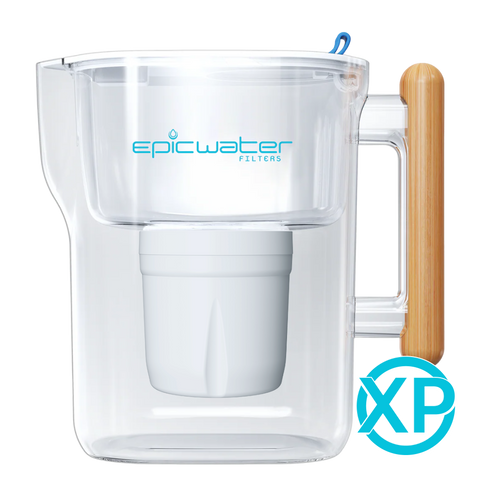
White Pure XP water filter pitcher
For everyday pouring

Pure XP Pitcher

A refillable pitcher with a 100-gallon filter capacity and published performance documentation.

Add Pure XP Pitcher
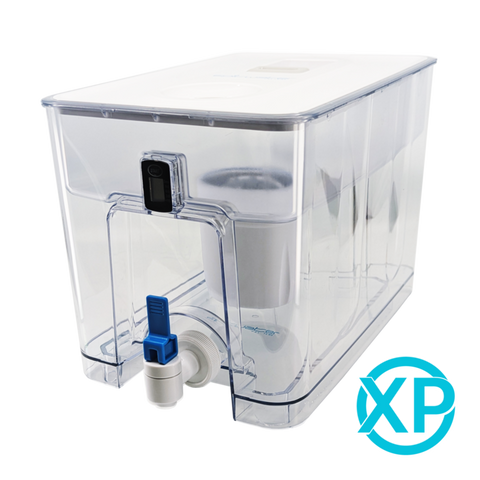
White Pure XP water filter dispenser
For shared routines

Pure XP Dispenser

More ready-to-pour water, with the same Pure XP filter used in the pitcher.

Add Pure XP Dispenser
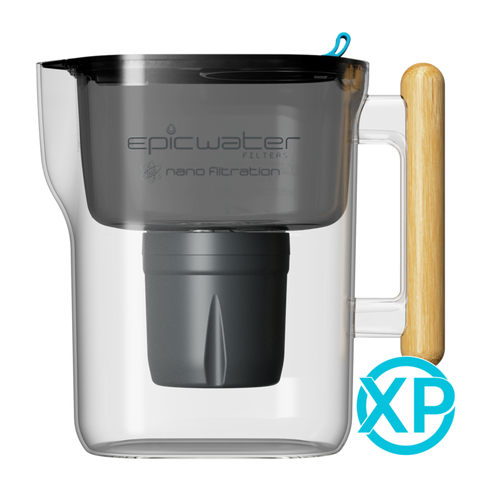
Black Nano XP water filter pitcher
A different filter profile

Nano XP Pitcher

Review the Nano XP test reports and match its performance to your specific concerns.

Add Nano XP Pitcher
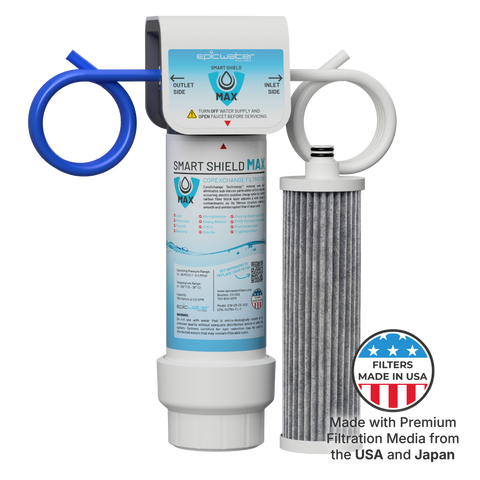
Smart Shield Max under-sink water filter system
For water at the sink

Smart Shield Max

An under-sink setup that keeps the counter clear. Check fit and performance before choosing.

Add Smart Shield Max

Current pricing and availability are shown in the store. Read the product’s performance documents before choosing.

Questions about
home water testing.

Are home water test kits accurate?

It depends on the test method, the parameter being measured, and the sample. Color strips have limitations. A properly collected sample analyzed by a lab certified for that drinking-water test can be useful. No single kit or overall grade establishes that water is safe in every respect.

Does collecting a sample myself make it invalid?

No. EPA’s standard lead-and-copper guidance includes homeowner collection. What matters is using the appropriate protocol, supplied bottle, preservation, and delivery arrangements. Ask your utility or lab for the instructions that fit your test.

Can a mail-in sample give a valid lab result?

Yes, when collection, preservation, delivery, and the test method are appropriate. Some measurements, including pH and chlorine residual, change quickly and should be measured promptly at the sampling site. Ask the laboratory how each requested test should be handled.

Why is first-draw lead sampling different?

EPA’s standard homeowner instructions collect one liter of cold water after at least six hours without use at the selected tap, with no pre-flushing or aerator removal. Other sampling goals use different protocols. Follow your utility’s or lab’s instructions rather than applying one rule to every test.

Does a good utility report rule out a problem at home?

No. A Consumer Confidence Report describes the water system. A concern specific to your home’s plumbing, such as lead, may require testing at your tap. Ask your utility about the issue and available testing, or contact a certified drinking-water laboratory.

Does “not detected” mean nothing is there?

It means the laboratory did not report a detection under that test’s reporting limit and method. It does not establish absolute zero or address substances that were not tested. Ask the lab to explain the reporting limit and appropriate comparison benchmark.

What is Pure XP certified and tested to do?

PureXP is listed by NSF under Standard 42 for material safety and Standard 372 for lead content. Contaminant-reduction performance is documented separately in independent testing. Review the exact report and filter before relying on a particular reduction claim.

Sources & references

Reviewed September 7, 2026

  1. EPA / New England drinking-water sampling manual (PDF) ↗Test-specific bottles, collection, preservation, delivery, and lab certification.
  2. San Francisco Public Utilities Commission / Home test kits ↗The usefulness and limitations of home test methods.
  3. EPA / Homeowner lead-and-copper sampling instructions ↗The standard first-draw example, including stagnation and aerator guidance.
  4. Washington Department of Health / Coliform sampling (PDF) ↗A specific example of sterile collection and analysis deadlines.
  5. EPA / Home Water Testing Facts (PDF) ↗When to test, lab instructions, utility reports, and household plumbing concerns.
  6. EPA / Protect your private well’s water ↗Private-well testing and local health-department guidance.
  7. EPA / Certified drinking-water laboratories ↗Find your state’s certification program and laboratory information.
  8. NSF / Official Standard 42 component listing ↗PureXP certification for material safety requirements only.
  9. NSF / Official Standard 372 listing ↗Lead-content certification of the listed filter components.
  10. Epic Water Filters / Testing documents ↗Independent performance reports, data sheets, and certification resources.

Sampling instructions vary by test and purpose. Follow your utility’s or laboratory’s directions. This article discusses testing as a category, not the performance of a specific kit or lab. The cover image is a generated editorial illustration of everyday drinking water. It does not demonstrate sampling or drinking untreated outdoor water.